


When you lose a tooth, something happens in your jawbone that most people don’t know about. The bone in that empty space starts to shrink. This process, called bone resorption, can cause serious problems for your mouth and face. The good news is that dental implants can help stop this bone loss by supporting the jawbone like a natural tooth root.
What Happens When You Lose a Tooth?
Your jawbone stays healthy because of pressure from your tooth roots. Every time you chew food, your tooth roots press against the bone. This pressure tells your body to keep the bone strong and thick.
When a tooth is missing, that pressure disappears. Your body thinks the bone isn’t needed anymore, so it starts breaking down the bone tissue. This can happen fast – you might lose 25% of your bone width in just the first year after losing a tooth.
How Do Dental Implants Work?
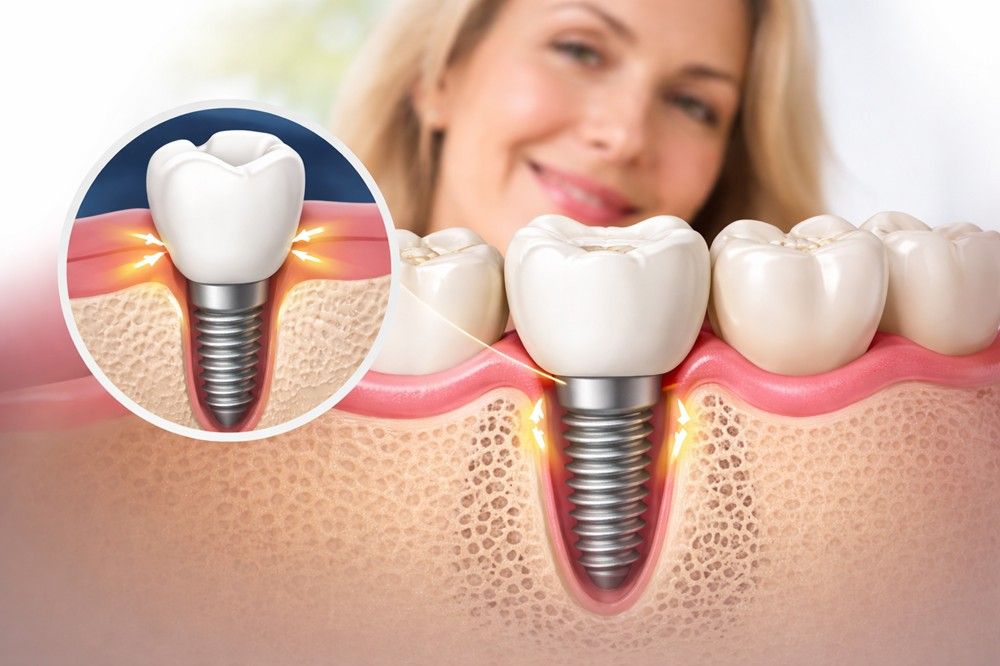
A dental implant is a small metal post, usually made from titanium. Your dentist in Burlington places it into your jawbone where your tooth root used to be. After a few months, the bone grows around the implant, holding it in place. This process is called osseointegration.
Once the implant fuses with your bone, it works just like a natural tooth root. Your dentist then attaches a crown on top, giving you a tooth that looks and works like a real one.
How Dental Implants Stop Bone Loss
Dental implants prevent bone loss in several important ways:
- They provide stimulation: When you chew with an implant, it puts pressure on your jawbone just like a natural tooth root does
- They maintain bone density: This pressure signals your body to keep the bone healthy and strong.
- They preserve bone structure: The titanium post becomes part of your jaw, keeping the bone tissue active.
Why This Matters for Your Health
Keeping your jawbone healthy does more than you might think:
- For your appearance: When the jawbone shrinks, your face can look older. Your cheeks might sink in, and wrinkles can form around your mouth.
- For your other teeth: Bone loss in one area can affect nearby teeth. They might shift position or become loose.
- For future dental work: If you plan to have dental implants in Burlington later, you might need bone grafting first. This adds extra time and cost to your treatment.
- For your bite: A healthy jawbone helps you chew food properly and speak clearly.
Finding the Right Dentist
If you’re thinking about dental implants, choosing the right dentist matters. Look for a dentist who
- Has training in implant placement
- Uses modern dental technology
- Can show you before and after photos
- Explains the treatment process clearly.
Many people search for “dentist near you” online. When you find options in your area, schedule consultations with a few different clinics. Ask questions about their experience and success rates.
The Bottom Line
Yes, dental implants do prevent bone loss. They’re the only tooth replacement option that actually keeps your jawbone healthy. Bridges and dentures sit on top of your gums, so they can’t provide the stimulation your bone needs.
When you get a dental implant, you’re not just replacing a missing tooth. You’re protecting your jawbone, maintaining your facial structure, and investing in your long-term oral health.
If you’ve lost a tooth or are about to, talk to your dentist about implants. The sooner you get an implant after tooth loss, the better. This gives you the best chance to preserve your natural bone structure.
Remember: Your jawbone is like the foundation of a house. Keep it strong, and everything else stays in place.
Protect Jawbone Health With Dental Implants!
At Orchard Family Dentistry, we help protect jawbone health with dental implants. When a tooth is missing, the jawbone can weaken over time. Dental implants act like natural tooth roots and support healthy bones. Our dentist uses safe planning and modern imaging to place implants with care. Treatment improves chewing, speech and smile comfort. Care is gentle and focused on long-term results. Schedule an implant visit today.
Frequently Asked Questions
Can anyone get dental implants?
Most adults can get implants, but you need enough healthy jawbone and healthy gums. Your dentist will take X-rays and examine your mouth to make sure implants are right for you.
How much bone loss happens without an implant?
Studies show you can lose up to 25% of bone width in the first year after tooth loss. Over time, this continues, and the bone keeps getting thinner and shorter.
Are dental implants better than dentures for preventing bone loss?
Yes. Regular dentures sit on your gums and don’t stimulate the bone. However, implant-supported dentures do help prevent bone loss because they’re anchored into your jawbone.